
The Role of Hydration in Overall Wellness
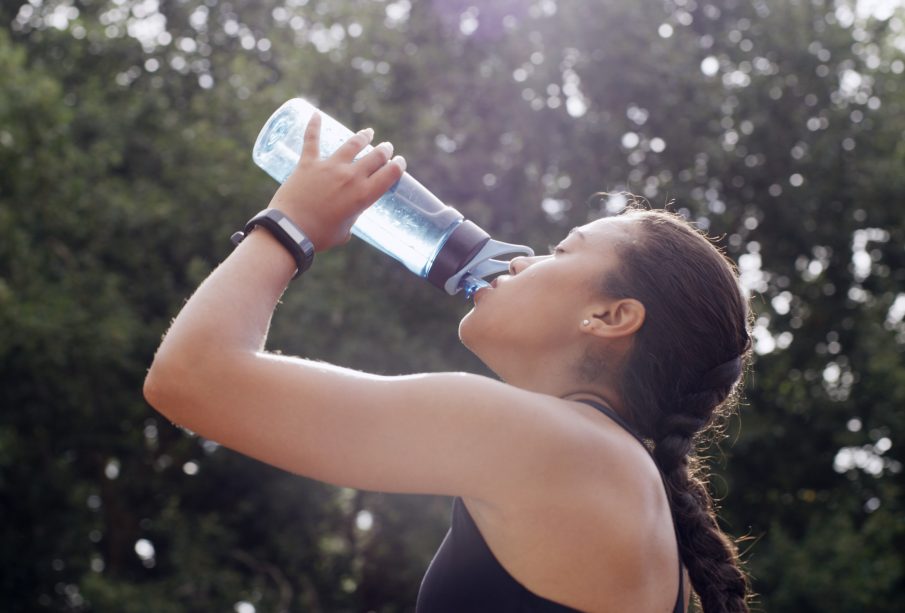
Hydration is often treated as a minor health habit, yet it plays a foundational role in nearly every function of the human body. From regulating temperature to supporting mental clarity, staying properly hydrated influences how we feel, move, and perform each day. Despite its importance, many people underestimate how even mild dehydration can affect overall wellness.
Why Hydration Matters More Than You Think
Water makes up a large portion of the human body and is essential for maintaining balance at a cellular level. When hydration levels drop, the body must work harder to perform basic tasks.
Proper hydration supports:
- Nutrient transport to cells
- Waste removal through kidneys and digestion
- Joint lubrication and muscle function
- Stable blood pressure and circulation
Without adequate water intake, these systems become less efficient, leading to fatigue and discomfort.
Hydration and Physical Performance
Even slight dehydration can reduce physical strength and endurance. Muscles rely on water to contract properly, and fluid loss through sweat must be replaced to maintain performance.
Benefits of staying hydrated during physical activity include:
- Improved stamina and coordination
- Reduced risk of cramps and overheating
- Faster recovery after exercise
Hydration is just as important for light daily movement as it is for intense workouts.
The Impact of Hydration on Brain Function
The brain is highly sensitive to hydration levels. When water intake drops, cognitive performance can suffer quickly.
Adequate hydration helps maintain:
- Concentration and focus
- Memory and reaction time
- Mood stability and stress regulation
Dehydration has been linked to headaches, irritability, and mental fatigue, making hydration a key factor in mental wellness.
Digestive Health and Hydration
Water plays a vital role in digestion by helping break down food and move it through the gastrointestinal tract. Insufficient hydration can slow digestion and cause discomfort.
Hydration supports digestive wellness by:
- Softening stool and preventing constipation
- Supporting stomach acid balance
- Helping the body absorb nutrients efficiently
Regular fluid intake keeps the digestive system functioning smoothly.
Hydration and Skin Health
Healthy skin depends on proper hydration from the inside out. While topical products help, internal hydration contributes to skin elasticity and resilience.
Well-hydrated skin tends to:
- Appear smoother and more supple
- Recover faster from environmental stress
- Maintain a healthier barrier function
Chronic dehydration can make skin look dull and accentuate fine lines.
How Much Water Do You Really Need?
Hydration needs vary based on age, activity level, climate, and overall health. There is no single number that fits everyone, but consistency matters more than exact measurements.
Signs you may need more fluids include:
- Dark-colored urine
- Persistent thirst
- Fatigue or dizziness
- Dry mouth or lips
Listening to your body and drinking regularly throughout the day is often more effective than consuming large amounts at once.
Hydration Beyond Plain Water
Water is the best hydration source, but fluids also come from other beverages and water-rich foods.
Additional hydration sources include:
- Fruits and vegetables with high water content
- Herbal teas and broths
- Milk and natural smoothies
However, sugary and heavily caffeinated drinks should be consumed in moderation, as they may not hydrate as effectively.
Making Hydration a Daily Habit
Building hydration into your routine increases consistency and long-term benefits.
Simple strategies include:
- Drinking a glass of water after waking up
- Carrying a reusable water bottle
- Pairing water intake with meals and breaks
- Increasing fluids during hot weather or illness
Small habits make hydration effortless and sustainable.
Frequently Asked Questions (FAQ)
1. Can drinking too much water be harmful?
Yes. Excessive water intake in a short period can disrupt electrolyte balance, though this is rare in healthy individuals.
2. Does thirst always mean dehydration?
Thirst is an early signal, but by the time you feel very thirsty, mild dehydration may already be present.
3. Are sports drinks better than water?
For most daily activities, water is sufficient. Sports drinks may help during prolonged or intense exercise involving heavy sweating.
4. Does hydration affect sleep quality?
Proper hydration supports sleep, but drinking large amounts right before bed may disrupt rest due to nighttime bathroom trips.
5. Can dehydration contribute to weight gain?
Dehydration can sometimes be mistaken for hunger, leading to unnecessary calorie intake.
6. Is coffee or tea dehydrating?
Moderate consumption does contribute to fluid intake, though water remains the most effective hydrator.
7. How does hydration change with age?
Older adults may feel thirst less strongly, making intentional hydration especially important as the body ages.