Why Hybrid Cars Are Still Relevant in 2026
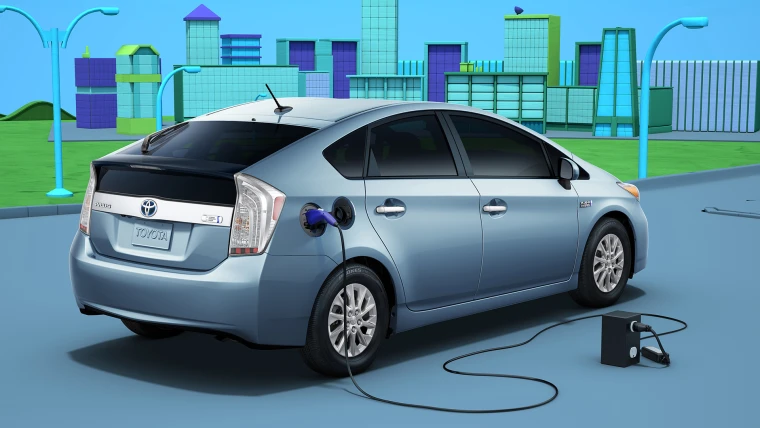
In a decade dominated by conversations about full electrification, hybrid cars continue to hold a strong and practical position in 2026. While electric vehicles (EVs) are advancing rapidly, real-world challenges such as charging infrastructure, affordability, and driving habits keep hybrids firmly in the spotlight. Rather than being a temporary bridge, hybrids have evolved into a long-term solution for millions of drivers worldwide.
This article breaks down why hybrids still matter, how they’ve improved, and where they fit in today’s automotive landscape.
The Reality of Charging Infrastructure in 2026
Despite major investments, charging networks remain uneven across regions. Urban centers may be well served, but rural and semi-urban areas still struggle with limited access and slow charging speeds.
Hybrid vehicles bypass this issue by combining:
- A traditional fuel engine for long distances
- An electric motor for low-speed and stop-and-go driving
This dual system allows drivers to enjoy electric efficiency without depending on charging stations, making hybrids especially relevant for commuters and travelers who can’t rely on consistent charging access.
Improved Fuel Efficiency Without Range Anxiety
Modern hybrids are far more advanced than their early predecessors. In 2026, they deliver impressive fuel economy while maintaining long driving ranges.
Key advantages include:
- Regenerative braking that recharges the battery while slowing down
- Optimized engine-motor coordination for smoother performance
- Reduced fuel consumption in city driving
For drivers who want better mileage but aren’t ready to go fully electric, hybrids strike a reliable balance.
Lower Ownership Costs Compared to Full EVs
While EV prices are gradually falling, hybrids remain more accessible in many markets. They generally cost less upfront and avoid some expenses associated with full electric ownership.
Cost benefits of hybrids:
- No need for home charging installation
- Lower insurance costs in many regions
- Proven engine technology with predictable maintenance
For budget-conscious buyers, hybrids offer efficiency gains without the financial leap required for many EVs.
Environmental Benefits That Still Matter
Hybrids may not be zero-emission vehicles, but they significantly reduce environmental impact compared to conventional cars.
They contribute to sustainability by:
- Lowering carbon emissions
- Reducing fuel consumption during urban driving
- Encouraging gradual adoption of electrified mobility
In regions where electricity generation is still carbon-heavy, hybrids can sometimes result in a smaller overall footprint than EVs charged from non-renewable grids.
Hybrids Fit Diverse Driving Lifestyles
Not all drivers have the same needs. Some commute short distances, others drive long highways, and many do both. Hybrid cars adapt well to mixed driving patterns, making them ideal for families, professionals, and ride-share drivers.
They perform especially well when:
- Daily driving includes heavy traffic
- Long trips are frequent
- Charging access is inconsistent or unavailable
This flexibility keeps hybrids relevant across demographics and regions.
Continued Manufacturer Support and Innovation
Automakers haven’t abandoned hybrids. In fact, many are refining hybrid technology alongside EV development.
Recent advancements include:
- Lighter battery systems
- Smarter energy management software
- Enhanced durability and lifespan
As a result, hybrids in 2026 are more refined, reliable, and efficient than ever before.
A Practical Transition Toward Full Electrification
Rather than competing with EVs, hybrids complement the transition toward fully electric mobility. They allow drivers to reduce fuel use and emissions today while infrastructure and technology continue to mature.
For many consumers, hybrids serve as:
- A confidence-building step into electrified driving
- A low-risk alternative during uncertain energy transitions
- A dependable solution in regions not yet EV-ready
Conclusion
Hybrid cars remain relevant in 2026 because they solve real-world problems that pure electric vehicles still struggle with. By blending efficiency, affordability, flexibility, and reduced emissions, hybrids continue to meet drivers where they are—not where the future is promised to be. Until charging infrastructure, costs, and energy grids fully align, hybrids will continue to play a crucial role in global mobility.
Frequently Asked Questions (FAQs)
1. Are hybrid cars still worth buying in 2026?
Yes, hybrids remain a smart choice for drivers seeking fuel efficiency without relying on charging infrastructure.
2. How long do hybrid batteries typically last?
Most modern hybrid batteries last 8–12 years or more, depending on usage and maintenance.
3. Do hybrids require special maintenance?
No, hybrids generally follow standard maintenance schedules with fewer brake replacements due to regenerative braking.
4. Are hybrids more environmentally friendly than EVs?
In regions with fossil-fuel-based electricity, hybrids can sometimes have a lower overall environmental impact.
5. Can hybrids drive on electric power alone?
Yes, most hybrids operate in electric-only mode at low speeds for short distances.
6. Do hybrids perform well on highways?
Absolutely. The gasoline engine ensures smooth and efficient highway driving without range concerns.
7. Will hybrids be phased out soon?
While regulations vary, hybrids are expected to remain relevant for years as a transitional and practical solution.