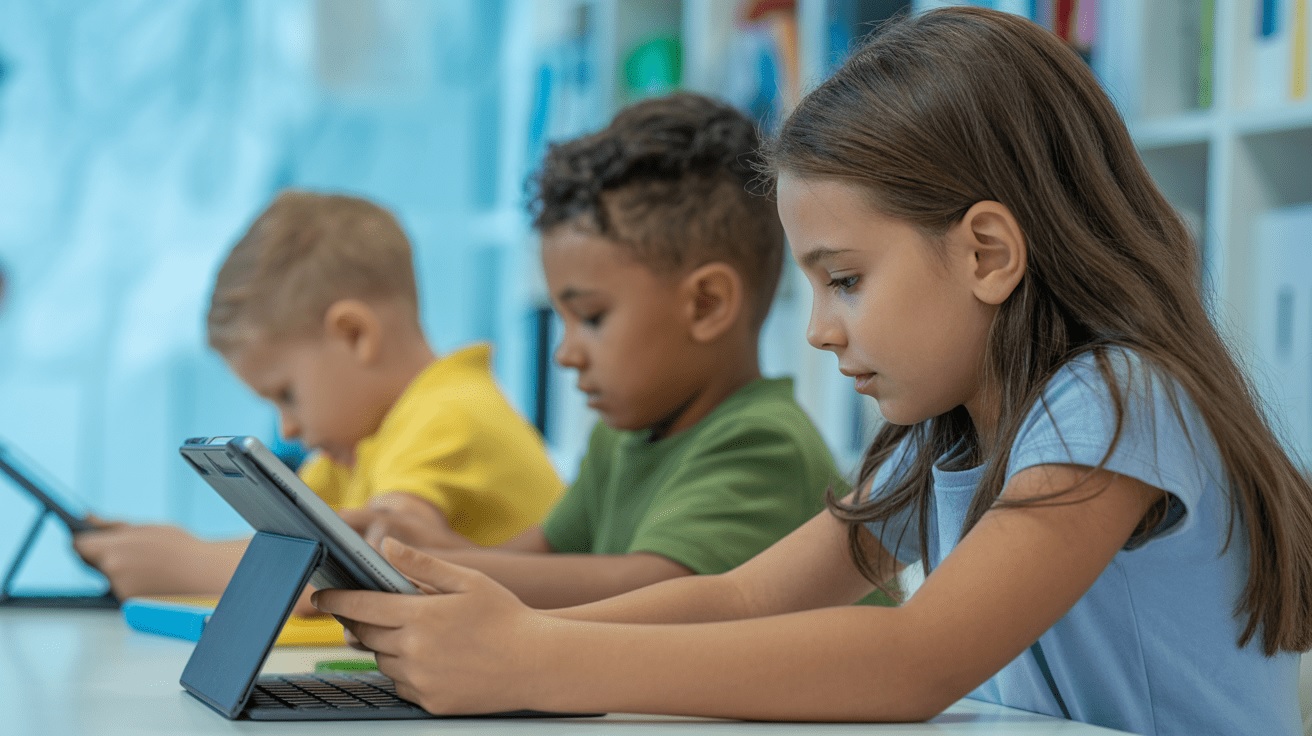
Education in the Modern World: Importance, Types, and Future Trends
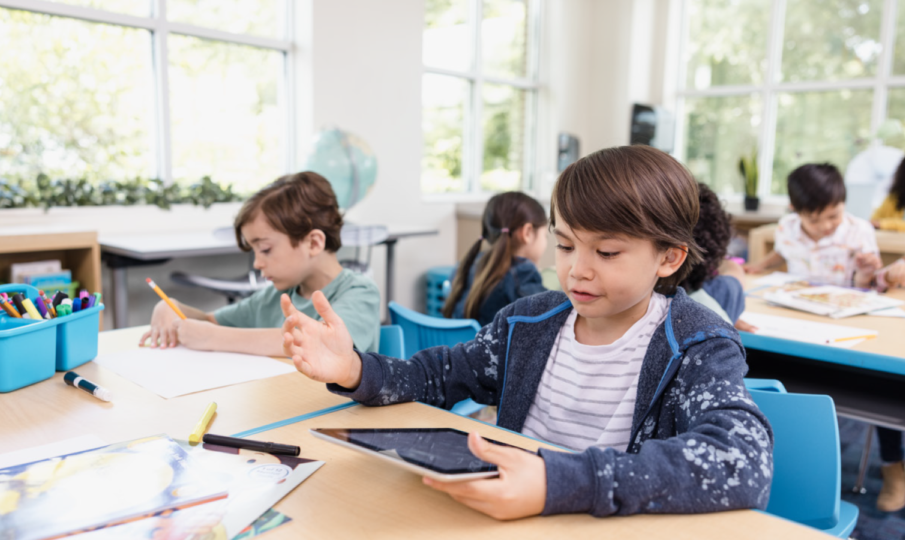
Introduction to Education
Education is the foundation upon which individuals and societies grow. It equips people with knowledge, skills, and values that shape personal development and social progress. From early childhood learning to advanced professional training, education influences how people think, communicate, and solve problems in everyday life.
In today’s rapidly evolving world, education goes beyond textbooks. It encourages creativity, critical thinking, and adaptability, helping learners thrive in diverse environments.
What Is Education?
Education is the structured process of learning and teaching that enables individuals to acquire understanding, abilities, and ethical awareness. It can occur in formal institutions, informal settings, or through self-directed experiences.
At its core, education aims to:
-
Develop intellectual abilities
-
Promote moral and social values
-
Prepare individuals for economic participation
-
Encourage lifelong learning
Types of Education
Formal Education
Formal education follows a structured system delivered by schools, colleges, and universities. It is guided by curricula, assessments, and certifications.
Key characteristics include:
-
Organized learning environment
-
Qualified educators
-
Recognized degrees or diplomas
Informal Education
Informal education happens outside traditional classrooms. It includes learning from family, community, media, and daily experiences.
Examples include:
-
Learning life skills at home
-
Gaining knowledge through conversations
-
Observing social behaviors
Non-Formal Education
Non-formal education blends structure with flexibility. It focuses on specific skills and personal development.
Common forms include:
-
Vocational training programs
-
Adult education classes
-
Online skill-based courses
Importance of Education
Personal Development
Education enhances self-confidence, decision-making skills, and emotional intelligence. It empowers individuals to pursue their goals and make informed life choices.
Social Progress
Educated societies tend to be more inclusive and peaceful. Education promotes tolerance, civic responsibility, and respect for diversity.
Economic Growth
A strong education system produces skilled professionals, drives innovation, and reduces unemployment. It plays a crucial role in national development.
Empowerment and Equality
Education helps bridge social and economic gaps by providing equal opportunities, especially for marginalized communities.
Role of Education in the Digital Age
Technology has transformed how education is delivered and accessed. Digital platforms have removed geographical barriers, allowing learners to study anytime and anywhere.
Modern educational advancements include:
-
E-learning platforms and virtual classrooms
-
Interactive multimedia resources
-
Personalized learning through data-driven tools
These innovations make education more accessible, flexible, and learner-centered.
Challenges in Education
Despite its importance, education faces several challenges that require global attention.
Major challenges include:
-
Limited access in rural or underdeveloped areas
-
Quality disparities between institutions
-
Rising education costs
-
Adapting curricula to real-world skills
Addressing these issues requires policy reforms, investment, and community involvement.
The Future of Education
The future of education is likely to focus on lifelong learning, skill-based education, and technology integration. Emphasis will shift from memorization to creativity, collaboration, and problem-solving.
Emerging trends suggest:
-
Greater use of artificial intelligence in learning
-
Focus on soft skills and emotional intelligence
-
Blended learning models combining online and offline methods
Education will continue to evolve as societies adapt to new economic and technological realities.
Frequently Asked Questions (FAQs)
What is the main purpose of education?
The main purpose of education is to develop knowledge, skills, values, and critical thinking abilities that help individuals lead meaningful and productive lives.
How does education impact society?
Education promotes social harmony, economic stability, and informed citizenship, contributing to overall societal development.
Is education limited to schools and universities?
No, education also includes informal and non-formal learning experiences gained through daily life, work, and self-study.
Why is education important for economic growth?
Education creates a skilled workforce, boosts innovation, and increases productivity, which strengthens the economy.
How has technology changed education?
Technology has made learning more accessible, interactive, and flexible through online platforms, digital tools, and virtual classrooms.
What are the biggest challenges in education today?
Major challenges include unequal access, quality gaps, affordability, and aligning education with real-world skills.
What skills will future education focus on?
Future education will emphasize critical thinking, creativity, communication, adaptability, and lifelong learning skills.