Auto Industry Trends 2025: Technology, Innovation, and the Future of Cars
Introduction to the Modern Auto World
The auto industry has transformed dramatically over the past few decades. What was once centered on mechanical engineering and fuel-powered engines has evolved into a sophisticated ecosystem driven by software, connectivity, and sustainability. Today’s automobiles are not just modes of transportation; they are intelligent machines designed to enhance safety, comfort, and efficiency.
As consumer expectations shift and environmental regulations tighten, automakers are rethinking how vehicles are designed, built, and powered.
The Rise of Electric Vehicles (EVs)
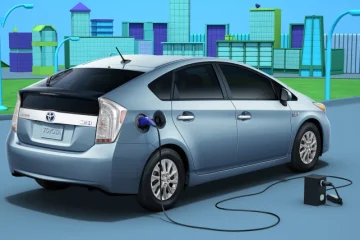
One of the most influential developments in the auto sector is the rapid adoption of electric vehicles. Governments and manufacturers alike are investing heavily in EV infrastructure and innovation.
Key advantages of electric vehicles include:
-
Lower carbon emissions
-
Reduced fuel and maintenance costs
-
Instant torque and smoother driving experience
-
Incentives such as tax benefits and rebates in many regions
Battery technology continues to improve, addressing earlier concerns about driving range and charging time.
Smart Technology in Automobiles
Modern cars are increasingly defined by digital intelligence rather than horsepower alone. Advanced software systems now play a central role in vehicle performance and safety.
Popular smart auto features
-
Advanced Driver Assistance Systems (ADAS) for collision avoidance
-
Voice-controlled infotainment systems
-
Over-the-air (OTA) software updates
-
Real-time navigation and traffic optimization
These innovations are paving the way for semi-autonomous and fully autonomous vehicles in the near future.
Sustainability and Eco-Friendly Manufacturing
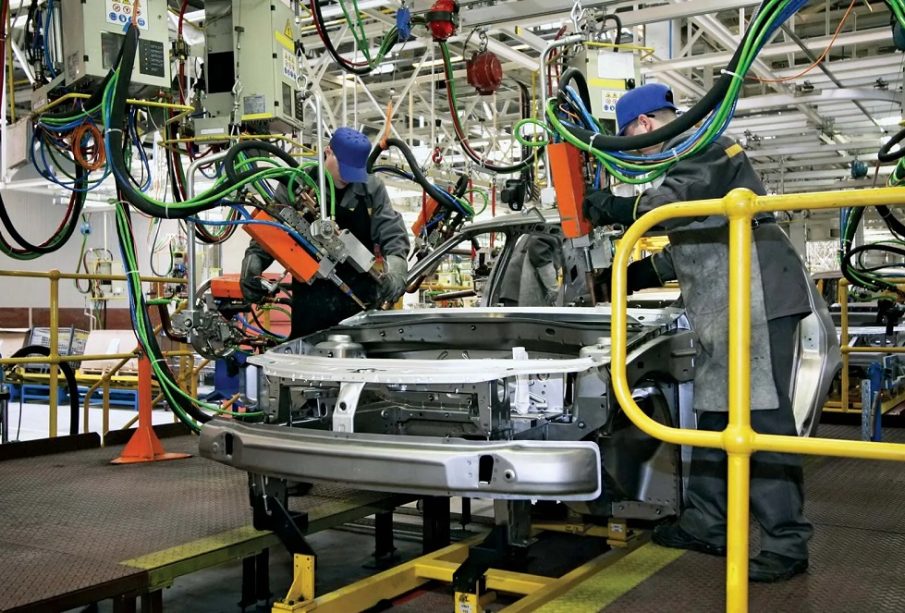
Sustainability extends beyond electric drivetrains. Auto manufacturers are adopting greener practices across production lines.
Notable sustainability initiatives include:
-
Use of recycled and biodegradable materials
-
Energy-efficient manufacturing plants
-
Reduced water and waste consumption
-
Lifecycle-based vehicle design
This holistic approach helps reduce the environmental footprint of vehicles from production to disposal.
The Shift Toward Autonomous Driving
Autonomous driving technology represents a major frontier in the auto industry. While fully self-driving cars are still under development, partial automation is already common.
Levels of autonomy range from basic cruise control to advanced systems capable of lane changes and automated parking. These technologies aim to reduce human error, which remains a leading cause of road accidents.
Changing Consumer Preferences
Today’s car buyers prioritize experience over ownership. Subscription-based models, car-sharing services, and flexible financing options are becoming more popular, especially among younger consumers.
Other factors influencing buying decisions include:
-
Connectivity and smartphone integration
-
Safety ratings
-
Environmental impact
-
Brand transparency and ethics
The definition of a “good car” is evolving rapidly.
Challenges Facing the Auto Industry
Despite innovation, the auto sector faces ongoing challenges such as:
-
Supply chain disruptions
-
Rising raw material costs
-
Cybersecurity risks in connected vehicles
-
Regulatory compliance across different markets
Addressing these issues requires collaboration between manufacturers, governments, and technology providers.
The Road Ahead for the Auto Sector
The future of the auto industry is shaped by electrification, automation, and digitalization. Vehicles will continue to become smarter, cleaner, and more integrated into daily life. As mobility solutions expand beyond traditional car ownership, the industry will redefine how people move through cities and across regions.
Frequently Asked Questions (FAQs)
1. What is driving the growth of electric vehicles worldwide?
Government regulations, environmental awareness, and advancements in battery technology are the primary factors accelerating EV adoption.
2. Are electric cars more expensive to maintain than fuel-powered cars?
No, electric cars generally have lower maintenance costs due to fewer moving parts and no need for oil changes.
3. How safe are autonomous driving features in modern cars?
Most current systems are designed to assist drivers, not replace them. When used correctly, they significantly improve road safety.
4. What role does software play in modern automobiles?
Software controls everything from engine performance and battery management to infotainment and safety systems.
5. Can sustainable materials impact vehicle durability?
No, many eco-friendly materials meet or exceed traditional durability standards while reducing environmental impact.
6. Will traditional fuel-powered cars disappear completely?
While their numbers will decline, internal combustion vehicles are likely to coexist with electric and hybrid models for years to come.
7. How is the auto industry adapting to changing consumer behavior?
Manufacturers are offering flexible ownership models, connected features, and personalized driving experiences to meet modern expectations.