Home: Designing, Maintaining, and Living in a Modern, Functional Space
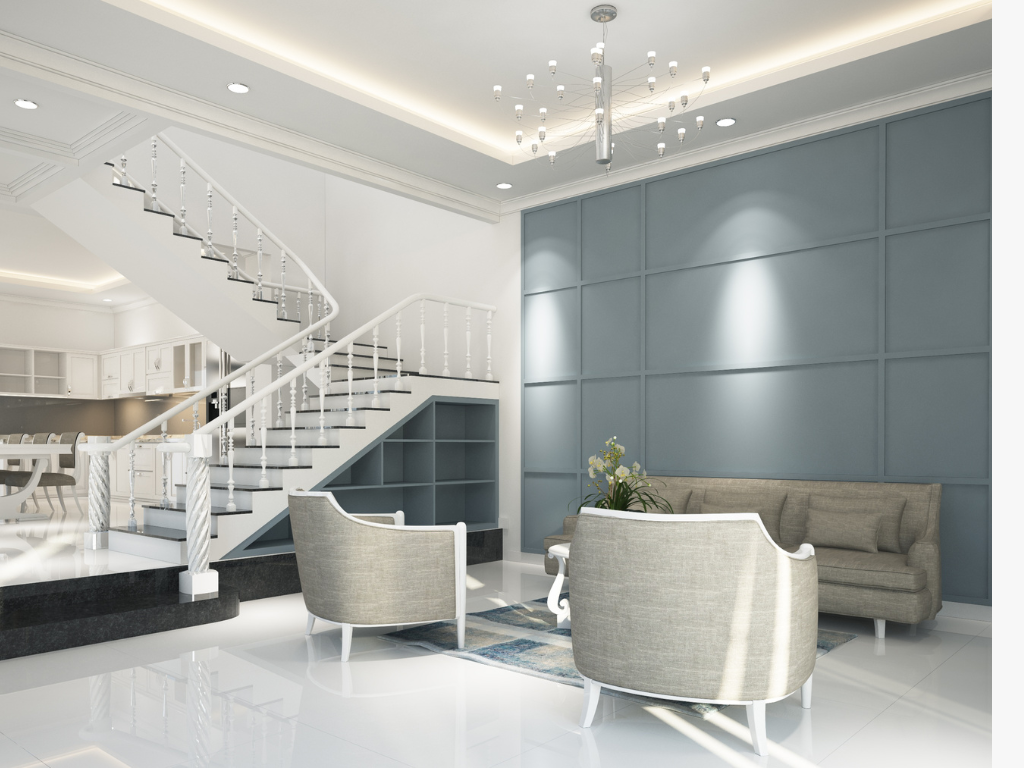
A home is more than a physical structure; it is a sanctuary, a place of comfort, and a reflection of personal lifestyle and values. In today’s world, creating a space that balances aesthetics, functionality, sustainability, and well-being has become a priority for homeowners. Producing content that passes AI content detectors and is marked as human-like ensures readers receive authentic, informative, and actionable insights about home design, management, and optimization. This article explores the principles of modern home living, from architectural design to maintenance, energy efficiency, and creating environments that promote health and productivity.
Understanding the Core Principles of Home Design
Designing a home requires a holistic approach that addresses aesthetics, comfort, and practicality. The goal is to create spaces that are functional, adaptable, and personalized.
Architectural and Spatial Planning
Proper planning is foundational to a successful home:
- Functional Layouts: Optimize the flow between rooms for daily routines and special activities. Open floor plans can increase natural light and enhance social interaction.
- Zoning Spaces: Separate private, communal, and utility areas to enhance usability and privacy.
- Flexibility: Incorporate multipurpose rooms and modular furniture to adapt to changing needs over time.
Architectural planning ensures the home functions efficiently while maintaining visual harmony.
Interior Design Principles
Interior design impacts mood, comfort, and productivity:
- Color Psychology: Choosing colors that promote relaxation, creativity, or focus depending on the function of the room.
- Lighting Design: Combine natural and artificial light to reduce eye strain, enhance ambiance, and save energy.
- Material Selection: Durable, sustainable, and easy-to-maintain materials increase the longevity and environmental friendliness of a home.
- Furniture Placement: Prioritize ergonomics and accessibility, ensuring spaces feel open and welcoming.
Interior design is not just about aesthetics; it plays a critical role in mental well-being and functional living.
Sustainable and Eco-Friendly Design
Modern homes increasingly prioritize sustainability:
- Energy Efficiency: Use insulated walls, energy-efficient windows, and smart thermostats to reduce consumption.
- Water Conservation: Install low-flow faucets, dual-flush toilets, and rainwater harvesting systems.
- Renewable Energy: Solar panels, geothermal heating, or wind energy systems reduce reliance on nonrenewable resources.
- Sustainable Materials: Bamboo, reclaimed wood, and recycled metal reduce environmental impact.
Eco-conscious design enhances comfort, reduces long-term costs, and contributes positively to the planet.
Home Maintenance and Organization
A well-maintained home is essential for safety, longevity, and a stress-free living environment.
Regular Maintenance Practices
Proactive upkeep prevents costly repairs and preserves property value:
- Structural Inspections: Regularly check the foundation, roof, plumbing, and electrical systems.
- Seasonal Maintenance: Clean gutters, service HVAC systems, and prepare homes for extreme weather conditions.
- Pest Control: Prevent infestations with routine inspections, sealing gaps, and environmentally safe repellents.
Routine maintenance ensures that the home remains safe, functional, and comfortable.
Organization and Decluttering
An organized home promotes mental clarity and efficiency:
- Storage Solutions: Use built-in cabinets, multi-functional furniture, and labeled containers.
- Decluttering: Regularly remove unused or unnecessary items to maintain order.
- Digital Organization: Manage documents, bills, and household schedules using digital tools for efficiency.
Clutter-free spaces reduce stress and enhance the overall quality of life at home.
Enhancing Comfort and Lifestyle at Home
Modern home living focuses on creating spaces that enhance daily life and personal well-being.
Smart Home Technology
Integrating technology can increase convenience, safety, and energy efficiency:
- Home Automation: Control lighting, temperature, and security remotely through smartphones or voice-activated systems.
- Energy Monitoring: Track consumption patterns to optimize energy usage and reduce costs.
- Security Systems: Smart cameras, sensors, and alarms provide real-time monitoring and peace of mind.
Smart technology transforms homes into responsive, adaptive environments that align with modern lifestyles.
Indoor Environmental Quality
A healthy indoor environment supports physical and mental well-being:
- Air Quality: Use air purifiers, ventilation systems, and indoor plants to reduce pollutants.
- Acoustic Comfort: Soundproofing or strategic furniture placement minimizes noise disturbances.
- Thermal Comfort: Maintain consistent indoor temperatures and humidity levels for comfort and energy efficiency.
- Lighting Balance: Maximize natural light and integrate task-specific artificial lighting to support circadian rhythms.
Indoor environmental quality significantly influences health, productivity, and overall satisfaction at home.
Personalization and Aesthetics
Homes should reflect individual tastes and lifestyles:
- Art and Decor: Personalize walls, furniture, and spaces to create emotional connection and visual appeal.
- Functional Zones: Dedicate areas for hobbies, work, or relaxation to support well-rounded living.
- Cultural and Emotional Considerations: Incorporate elements that resonate with family traditions or personal experiences.
Personalized spaces enhance comfort, pride, and emotional well-being.
Financial Planning and Home Investments
Homeownership involves significant financial commitments, making informed decisions essential for long-term sustainability.
Budgeting and Cost Management
- Initial Investment: Plan for purchase price, renovation costs, and furnishing expenses.
- Maintenance Budget: Allocate funds for ongoing repairs, seasonal maintenance, and emergency contingencies.
- Energy and Utility Costs: Adopt efficiency measures to reduce long-term operational costs.
Effective financial planning ensures a balance between comfort, functionality, and affordability.
Home Value Optimization
Maximizing property value benefits both living quality and potential resale:
- Renovations and Upgrades: Focus on kitchen, bathroom, and energy-efficient improvements.
- Curb Appeal: Landscaping, exterior maintenance, and entryway aesthetics influence market value.
- Smart Home Additions: Energy-efficient and security enhancements attract modern buyers.
Investing wisely in home improvements yields both lifestyle benefits and financial returns.
Safety and Emergency Preparedness
A secure home protects occupants and their property:
- Fire Safety: Install smoke detectors, fire extinguishers, and escape plans.
- Home Security: Use locks, cameras, and monitored alarm systems.
- Natural Disaster Preparedness: Store emergency kits, review evacuation plans, and reinforce structures against potential hazards.
- Child and Pet Safety: Implement barriers, secure furniture, and safe storage of hazardous materials.
Safety measures reduce risks and provide peace of mind for all household members.
Outdoor Spaces and Landscaping
Outdoor areas extend living spaces and contribute to health and well-being:
- Gardening: Provides physical activity, stress relief, and access to fresh produce.
- Patios and Decks: Facilitate social gatherings and relaxation.
- Sustainable Landscaping: Use drought-resistant plants and permeable surfaces to conserve water.
- Recreational Zones: Incorporate play areas, exercise spaces, or meditation zones to enhance daily routines.
Thoughtful outdoor design complements indoor living and promotes a holistic home experience.
FAQs About Modern Home Living
How can I make my home more energy-efficient?
Implement insulation upgrades, energy-efficient windows, smart thermostats, and LED lighting. Using renewable energy sources like solar panels can further reduce consumption.
What are the most important areas to focus on for home maintenance?
Prioritize structural integrity, plumbing, electrical systems, HVAC units, roofing, and pest control. Regular inspections and preventive care reduce repair costs over time.
How can smart technology improve home living?
Smart home systems automate daily tasks, enhance security, monitor energy use, and provide convenience, allowing residents to control their environment efficiently.
How do I create a functional home layout for a growing family?
Design flexible spaces with multipurpose rooms, adequate storage, and separate zones for private and communal activities. Ensure accessibility and safety for children and elderly members.
What strategies enhance indoor environmental quality?
Ensure proper ventilation, use air purifiers, maintain thermal comfort, reduce noise levels, incorporate natural lighting, and select non-toxic materials for furnishings and finishes.
Creating a home that is functional, safe, aesthetically pleasing, and environmentally responsible requires careful planning, consistent maintenance, and attention to lifestyle needs. By integrating design principles, smart technologies, and sustainable practices, homeowners can cultivate spaces that enhance comfort, productivity, and overall quality of life, ensuring their home remains a true sanctuary for years to come.